
Investing in the stock market can seem intimidating, particularly for beginners. With thousands of companies to choose from, knowing where to start can feel overwhelming. One of the simplest ways to gain exposure to the UK’s largest and most stable companies is through a FTSE 100 ETF.
This article explores what FTSE 100 ETFs are, how they work, their advantages and risks, and practical guidance for investors of all levels. By the end, you’ll have a clear understanding of how these investment vehicles can fit into your portfolio.
1. Understanding the FTSE 100
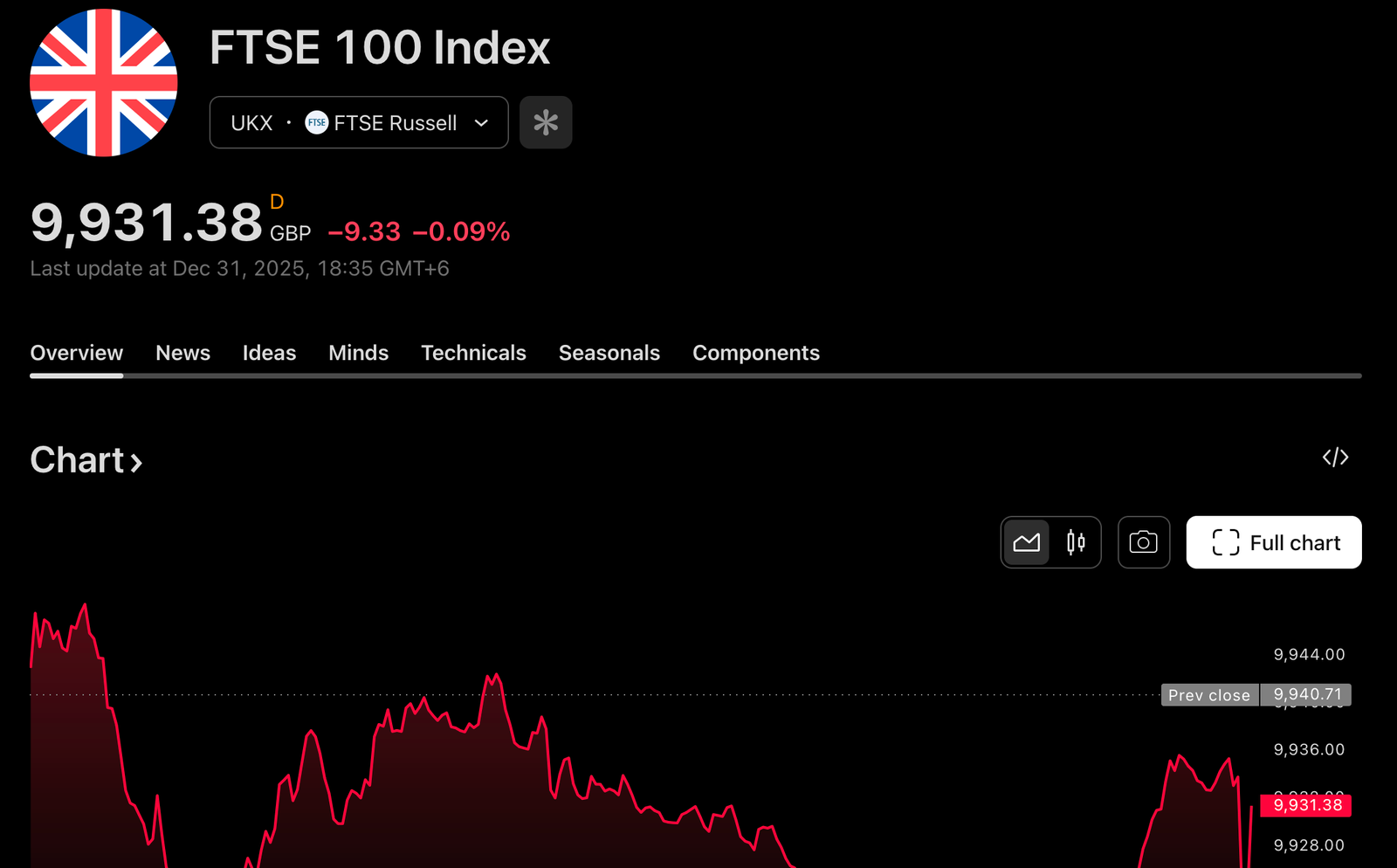
The FTSE 100, officially known as the Financial Times Stock Exchange 100 Index, is a stock market index that tracks the performance of the 100 largest companies listed on the London Stock Exchange (LSE) by market capitalization.
These companies represent a wide range of sectors including finance, energy, healthcare, and consumer goods. Examples of FTSE 100 companies include:
-
BP – a global energy company
-
HSBC – a multinational banking and financial services organization
-
AstraZeneca – a pharmaceutical giant
-
Unilever – a major consumer goods company
The FTSE 100 is widely regarded as a benchmark for the UK stock market. When the index rises, it generally indicates that the UK’s largest companies are performing well, and when it falls, it reflects broader market challenges.
How the FTSE 100 is Weighted
The FTSE 100 is market-capitalization-weighted, meaning companies with a higher market value have a bigger influence on the index. For example, if a company like Shell makes up 8% of the index, changes in its stock price will affect the FTSE 100 more than a smaller company making up 0.5%.
This weighting ensures that the index reflects the performance of the largest and most influential UK companies, but it also means that the performance of a few large companies can disproportionately affect the index.
2. What is an ETF?
An ETF, or Exchange-Traded Fund, is an investment fund that is traded on stock exchanges, similar to a single stock. ETFs can track an index, sector, commodity, or a basket of assets.
Key Features of ETFs
-
Diversification: ETFs allow you to invest in multiple companies or assets simultaneously.
-
Liquidity: ETFs can be bought and sold throughout the trading day, unlike mutual funds, which are priced once per day.
-
Lower Costs: ETFs typically have lower fees than actively managed funds.
-
Transparency: Many ETFs disclose their holdings daily, making it easy to see what you own.
Essentially, an ETF combines the diversification benefits of mutual funds with the flexibility of trading individual stocks.
3. What is a FTSE 100 ETF?
A FTSE 100 ETF is an ETF that specifically tracks the performance of the FTSE 100 index. When you invest in a FTSE 100 ETF, you are essentially buying a slice of the UK’s 100 largest companies in proportion to their size in the index.
For example, if AstraZeneca accounts for 5% of the FTSE 100, the ETF will allocate roughly 5% of its assets to AstraZeneca shares. This means your investment grows or falls in line with the FTSE 100, providing exposure to the UK market as a whole.
Popular FTSE 100 ETFs
Some of the most widely recognized FTSE 100 ETFs include:
-
iShares Core FTSE 100 UCITS ETF (ISF)
-
Vanguard FTSE 100 UCITS ETF (VUKE)
-
HSBC FTSE 100 UCITS ETF (HUKX)
These ETFs differ slightly in terms of fees, dividend policies, and how they track the index, but they all aim to replicate the performance of the FTSE 100.
4. Why Invest in a FTSE 100 ETF?
Investing in a FTSE 100 ETF offers several advantages, making it appealing to both beginners and experienced investors.
4.1 Diversification
With a single purchase, you gain exposure to 100 of the UK’s largest companies. This reduces the risk associated with investing in a single stock. For instance, if BP’s stock underperforms, it will likely be offset by other strong-performing companies like Unilever or HSBC.
4.2 Cost-Effectiveness
Actively managed funds often charge higher fees for portfolio management and research. FTSE 100 ETFs are passively managed, tracking the index rather than trying to beat it, which keeps costs low. Annual expense ratios typically range from 0.07% to 0.15%, much cheaper than traditional mutual funds.
4.3 Dividend Income
Many FTSE 100 companies pay dividends. A FTSE 100 ETF either distributes dividends directly to investors or reinvests them automatically, depending on the ETF type. This makes it a potentially attractive investment for those seeking income alongside capital growth.
4.4 Ease of Access
FTSE 100 ETFs are listed on major stock exchanges and can be purchased through standard brokerage accounts. This makes them accessible to both new and seasoned investors.
4.5 Long-Term Growth Potential
The FTSE 100 represents some of the most established companies in the UK. Over the long term, investing in such a broad index can provide steady growth, particularly when dividends are reinvested.
5. How FTSE 100 ETFs Compare to Other Investments
Understanding where FTSE 100 ETFs fit in the investment landscape can help you make informed choices.
| Investment Type | Diversification | Risk | Cost | Liquidity |
|---|---|---|---|---|
| Single Stock | Low | High | Low | High |
| Mutual Fund | Medium/High | Medium | Medium/High | Medium |
| FTSE 100 ETF | High | Medium | Low | High |
| Bonds | Medium/High | Low | Low | Medium |
Compared to single stocks, a FTSE 100 ETF provides instant diversification, reducing company-specific risk. Unlike mutual funds, ETFs trade like stocks, giving you flexibility to enter or exit the market at any time.
6. Risks of Investing in a FTSE 100 ETF
While FTSE 100 ETFs offer diversification and ease of investment, they are not risk-free. Key risks include:
6.1 Market Risk
The ETF mirrors the FTSE 100. If the UK stock market declines, your investment will lose value. This is a systematic risk, which affects all equities.
6.2 Currency Risk
Many FTSE 100 companies generate revenue internationally. Currency fluctuations between the British pound and other currencies can affect the ETF’s returns.
6.3 Sector Concentration
The FTSE 100 is heavily weighted toward certain sectors, such as financials and energy. Poor performance in these sectors can have a significant impact on the index.
6.4 Dividend Risk
While many companies pay dividends, there is no guarantee they will continue. Companies may reduce or suspend dividends during economic downturns.
7. Historical Performance
The FTSE 100 has a long history of growth, though it has experienced periods of volatility.
-
1984–1994: The index grew steadily as the UK economy expanded.
-
2000–2010: Faced challenges during the dot-com bubble and global financial crisis, showing how external events can impact returns.
-
2010–2020: Recovery and growth, although the Brexit referendum in 2016 caused short-term declines.
Investing in a FTSE 100 ETF allows you to capture this long-term growth while mitigating the risk of picking individual winners and losers.
8. Accumulating vs Distributing ETFs
FTSE 100 ETFs come in two main types:
-
Accumulating ETFs: Reinvest dividends back into the fund, increasing the value of your investment over time.
-
Distributing ETFs: Pay dividends directly to investors, providing a regular income stream.
The choice depends on your investment goals. If you want long-term growth, an accumulating ETF may be better. If you want income, a distributing ETF is more suitable.
9. How to Invest in a FTSE 100 ETF
Investing in a FTSE 100 ETF is straightforward:
-
Open a brokerage account: Choose a platform with low fees. Many online brokers allow you to start with small amounts.
-
Choose your ETF: Compare fees, dividend policies, and performance.
-
Decide your investment amount: ETFs can be purchased in small quantities, making them accessible for beginners.
-
Buy and hold: ETFs are often best suited for long-term investing, though they can be traded like stocks.
-
Monitor periodically: While ETFs require less maintenance than individual stocks, it’s good practice to review your portfolio regularly.
10. Practical Tips for Investors
-
Start small: If you’re new to investing, begin with a modest investment to understand market behavior.
-
Diversify globally: Consider complementing a FTSE 100 ETF with international ETFs to reduce reliance on the UK market.
-
Reinvest dividends: Accumulating ETFs or reinvesting dividends from distributing ETFs can compound your growth over time.
-
Be patient: Stock markets fluctuate. Long-term holding generally smooths out short-term volatility.
-
Watch fees: Even small differences in fees can significantly impact returns over decades.
11. Tax Considerations
Investors should be aware of the tax implications:
-
Dividends: Depending on your jurisdiction, dividends may be subject to income tax.
-
Capital gains: Selling ETF shares at a profit may incur capital gains tax.
-
Tax-efficient accounts: Using tax-advantaged accounts (e.g., ISAs in the UK) can reduce your tax liability.
12. FTSE 100 ETFs in a Balanced Portfolio
FTSE 100 ETFs are often considered core holdings in a diversified investment portfolio. They provide broad exposure to UK equities and can be combined with:
-
Global equity ETFs – for international diversification
-
Bond ETFs – for stability and income
-
Commodity ETFs – for inflation protection
-
Cash or cash equivalents – for liquidity
By combining these assets, investors can balance growth and risk, tailored to their individual goals and risk tolerance.
13. Common Myths About FTSE 100 ETFs
-
“ETFs are only for experts”: False. ETFs are simple, cost-effective, and accessible for beginners.
-
“The FTSE 100 always grows”: False. Like any stock market investment, FTSE 100 ETFs can lose value during market downturns.
-
“Dividends are guaranteed”: False. Dividends depend on company performance and can fluctuate.
14. Conclusion
A FTSE 100 ETF is a versatile investment tool that allows investors to gain exposure to the UK’s 100 largest companies with a single purchase. It offers diversification, cost-efficiency, dividend income, and long-term growth potential.
While not risk-free, the combination of broad exposure and relatively low costs makes FTSE 100 ETFs an excellent choice for both beginners and experienced investors looking to anchor their portfolios with stable, UK-focused equities.
Investing in a FTSE 100 ETF is not just a way to participate in the UK market—it’s a way to invest in some of the most established companies in the world with ease and efficiency. For anyone seeking long-term growth and stability, FTSE 100 ETFs are an investment worth serious consideration.